Rewriting the rules of recovery after injury.
We investigate the neuro-immune mechanisms of nature's best healers to unlock the secrets of scar-free regeneration.
About
In the Varholick Lab, we believe that to understand tissue regeneration we must look at the whole animal. We don't just study cells in a dish; we study how an animal's behavior, brain, and environment interact to drive and assist with healing.
We are a team of curious problem-solvers. Whether you are an undergraduate looking for your first research experience or a collaborator with a new perspective, we believe that good science is a team sport.
Research
The Behavioral Biology of Super-Healers
Before we can mimic regeneration, we must understand the animals that master it. We explore the ethology and unique physiology of species like the Spiny Mouse and Salamander—investigating everything from their distinct glands and memory to their sensory communication.
Explore our models →Behavior as a Driver of Repair
Behaviors drive evolution and development, why not repair? We investigate how sensation, movement, and critical periods of plasticity actively drive the restoration of tissue. We ask: How do the brain and body "react" to the wound to assist with perfect healing?
See the behavior link →Biobehavioral Therapies for Human Recovery
Our ultimate goal is translation. By decoding the input signals that enable and assist with regeneration in animals, we aim to develop bio-behavioral therapies that work alongside regenerative therapies to minimize scarring and maximize behavioral recovery.
View our vision →Recent Publications
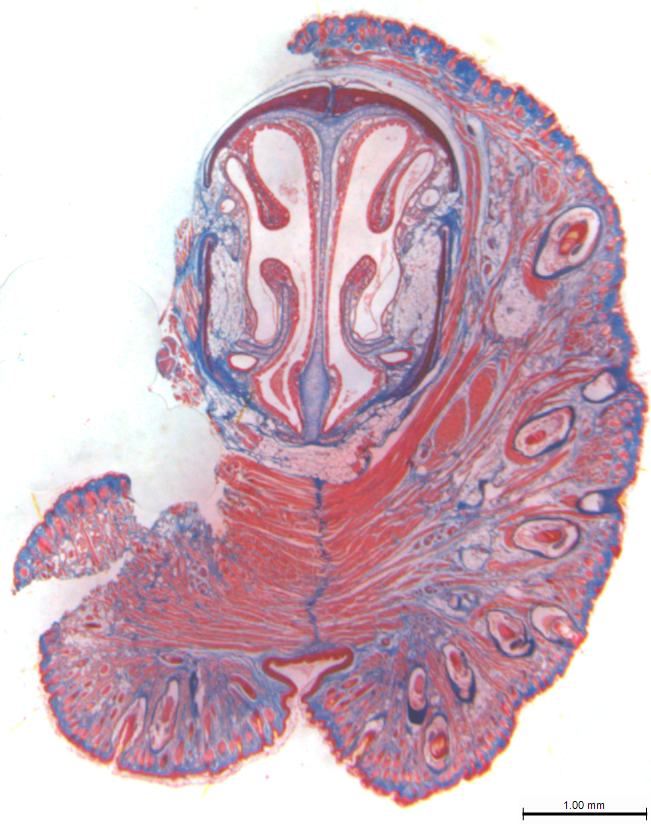
Spiny mice (Acomys) regenerate wounded whisker pad skin with whisker follicles, muscles, and targeted innervation.
Varholick, J.A., *Kondapaneni, R., Maden, M. (2025). npj Regenerative Medicine, 10:28
This is the first study to demonstrate that spiny mice can regenerate their whisker follicles and the associated structures after removal. Starting a new model system for studying cutaneous nerve regeneration.
PDF, DOI Link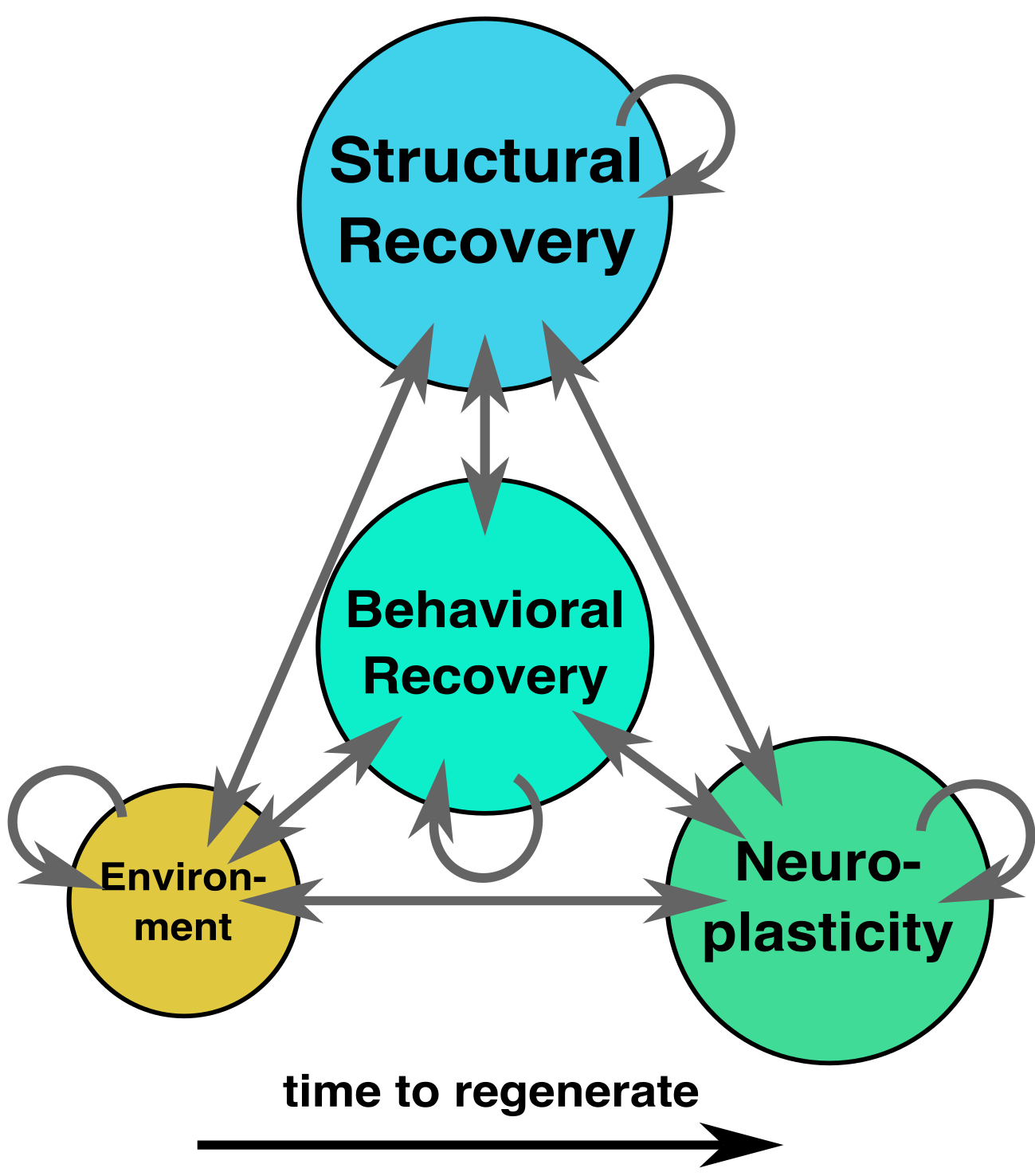


Latest News & Updates
Fall 2025
Recruiting MS Student for Fall 2026
The lab has open positions for research projects on tissue regeneration, behavioral neuroscience, and physiology in highly regenerative rodents, salamanders, and planarians. Students will have opportunities to incorporate laboratory, bioinformatic, and possibly field methods and work collaboratively with other lab members. Learn More
Fall 2025
Lab Awarded internal grants; PrePI and Mentor Protege
The Varholick Lab was awarded two internal grants. A $19k grant for "Unravelling synaptic resilience: neurobiological mechanisms of enhanced learning and memory in Acomys cahirinus." In collaboration with Dr. Vishnu Suppiramanian and Dr. Erica Holliday. The other is a $3.5k award to study "Exploring neuroanatomy and sensory innervation in polymorphic two-lined salamanders" with Dr. Todd Pierson and students Kellyn Gilligan and Ito Osayi.
Fall 2025
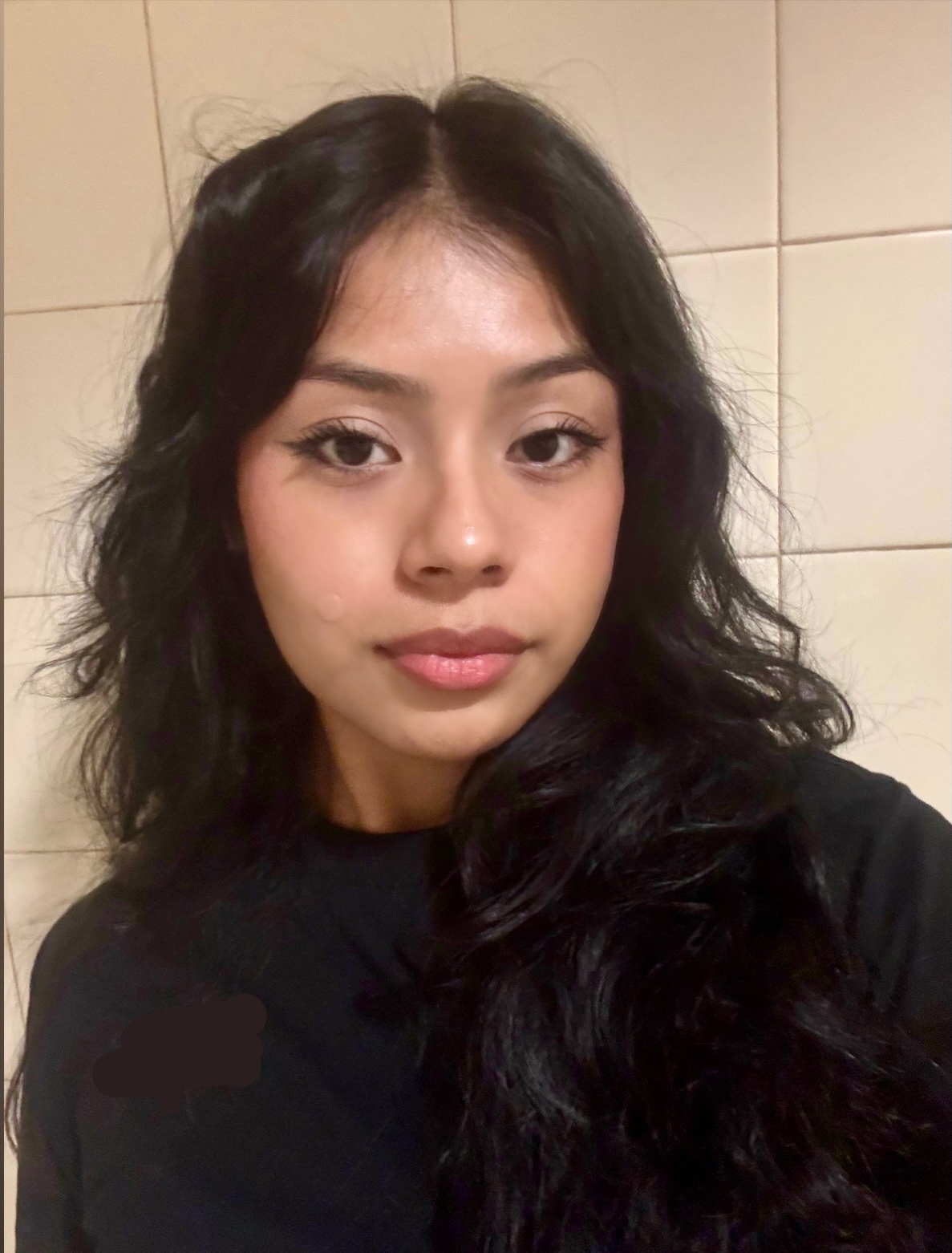
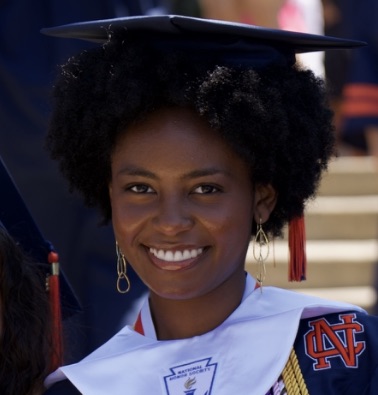
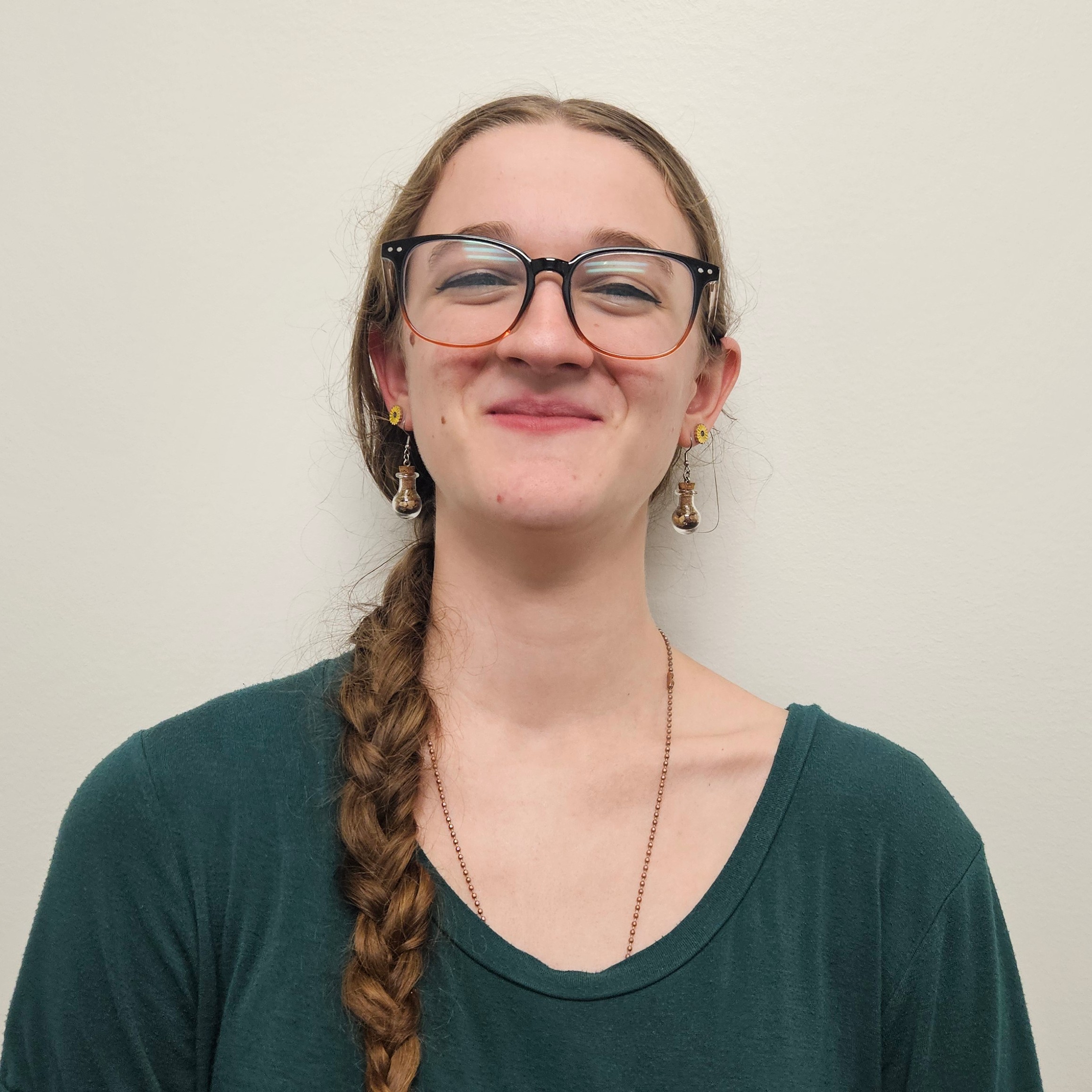
Welcome our First Year Scholars
Stefania and Sienna have been awarded a First-Year Scholar scholarship to work on a project titled, "Uncovering What Regenerates When Skin Nerves Are Injured in Highly Regenerative Animals". Sponsored by the Office of Undergraduate Research.
Get in Touch
We're always open to collaborations, inquiries, and new talent. Reach out to us!
Email Us
Visit Us
Science Building, Room 360
Kennesaw State University
Dept. of Ecology, Evolution, and Organismal Biology
Kennesaw, Georgia